Total Pageviews

Showing posts with label Consumer Behavior. Show all posts

June 15, 2026

From the Boomerang Effect to Attention Recession, OTT consumers are rewriting the rules of streaming. - The 22 Must know terms!!

Not very long ago, streaming platforms seemed to have discovered the perfect business model. Consumers would subscribe, set up auto-pay, and remain loyal for years. Platforms competed on content, and customers rewarded them with recurring revenue. But consumers have changed. More importantly, they have become smarter.

What we are witnessing today is the emergence of an entirely new vocabulary of OTT consumption. Traditional notions of customer loyalty are being replaced by behaviors driven by economics, convenience, and attention. The old model assumed permanent subscribers. The new model revolves around temporary relationships.

Perhaps the most visible trend is what I call the Boomerang Effect (1). Consumers subscribe when a new season drops, watch everything they want, cancel the service, and return only when fresh content arrives. Churn, once considered a problem, is becoming cyclical. We are entering what might be called a Churn-and-Return Economy (2).

Closely related is Binge-and-Bye Behavior (3). Viewers join platforms to binge-watch a flagship series and disappear immediately afterward. Long-term commitment is giving way to transactional relationships.

Another emerging phenomenon is Content Tourism (4). Consumers no longer "belong" to platforms. Instead, they visit them. Much like tourists, they come for a particular attraction, spend some time there, and move on. This has given rise to Streaming Nomadism (5), where viewers constantly migrate between services in search of better content or better deals.

Many users are also exhibiting Subscription Minimalism (6) . Rather than maintaining six or seven subscriptions simultaneously, they prefer to keep only one or two active at any given time. Entertainment budgets are becoming increasingly disciplined.

Not surprisingly, loyalty itself is changing. What platforms once considered customer loyalty is increasingly turning into Elastic Loyalty (7). Consumers remain loyal only as long as the content pipeline and pricing justify it. In many cases, this has evolved into Price-Triggered Loyalty (8), where attachment is not to the brand but to the discount.

This explains the rise of what might be called Discount Streaming Syndrome (9). Many viewers have become conditioned to wait for offers. Why pay full price when another promotion is always around the corner? Streaming subscriptions are beginning to resemble airline tickets and hotel bookings, where savvy consumers rarely pay list prices.

Some have even elevated this into an art form. Coupon Streaming (10) and Offer-Driven Consumption (11) are becoming common behaviors. People strategically subscribe during promotions, consume aggressively, and then opt out before the next billing cycle. For these consumers, entertainment is a marketplace to be navigated rather than a brand relationship to be cultivated.

This opportunistic behavior has given rise to OTT Opportunism (12). Consumers are learning to exploit bundles, seasonal offers, and discounts to maximize value. Their objective is simple: extract the highest amount of entertainment at the lowest possible cost.

Meanwhile, those who maintain several subscriptions simultaneously represent a form of Platform Polygamy (13). Rather than committing to one ecosystem, they divide their attention across Netflix, Prime Video, Disney+, JioHotstar, and others. Their loyalty is fragmented, and so is their viewing time.

Perhaps the most interesting concept is Attention Arbitrage (14). Time, not money, is becoming the scarce resource. Consumers increasingly allocate their limited viewing hours to whichever platform delivers the highest entertainment value per minute. In a world overflowing with content, attention has become the real currency.

Ironically, the abundance of content has also created new problems. Many consumers suffer from Peak TV Fatigue (15) and Content Inflation (16). Platforms keep producing more content, but more content does not necessarily mean more value. Viewers are overwhelmed by choice, leading to Platform Fatigue (17) and Binge Burnout (18).

Recommendation algorithms were supposed to simplify things, but they have also created Algorithm Dependence (19) , where consumers increasingly rely on machines to decide what to watch. Ironically, the endless supply of choices often leads to decision paralysis.

Then there is FOMO Streaming (20) . Many people subscribe not because they genuinely want to watch something, but because everyone else is talking about it. Social media has become a powerful acquisition engine for streaming services.

At the same time, endless spin-offs and cinematic universes are beginning to create Franchise Fatigue (21). Consumers are no longer willing to follow every sequel, prequel, and interconnected storyline.

Taken together, these trends point to a larger reality. We may be entering an Attention Recession (22). Consumers have plenty of content, but limited time and shrinking patience. The competition is no longer platform versus platform. It is content versus everything else competing for human attention.

For marketers, this shift contains an important lesson. Loyalty is becoming conditional. Attention is becoming scarce. Value is increasingly determined not by how much content platforms produce, but by how efficiently they convert time into satisfaction.

The future of streaming may not belong to the platform with the largest library. It may belong to the platform that best respects the viewer's time. And perhaps that is the most important entry in the new vocabulary of OTT consumption.

Keywords: OTT consumption, OTT vocabulary, Boomerang Effect, Churn-and-Return Economy, Binge-and-Bye Behavior, Content Tourism, Streaming Nomadism, Subscription Minimalism, Elastic Loyalty, Price-Triggered Loyalty, Discount Streaming Syndrome, Coupon Streaming, Offer-Driven Consumption, OTT Opportunism, Platform Polygamy, Attention Arbitrage, Peak TV Fatigue, Content Inflation, Platform Fatigue, Binge Burnout, Algorithm Dependence, FOMO Streaming, Franchise Fatigue, Attention Recession, streaming wars, OTT marketing, attention economy, customer loyalty, subscription economy, binge watching, Netflix, Prime Video, Disney+, JioHotstar.

Hashtags: #OTTConsumption #StreamingWars #BoomerangEffect #ChurnAndReturnEconomy #BingeAndByeBehavior #ContentTourism #StreamingNomadism #SubscriptionMinimalism #ElasticLoyalty #PriceTriggeredLoyalty #DiscountStreamingSyndrome #CouponStreaming #OfferDrivenConsumption #OTTOpportunism #PlatformPolygamy #AttentionArbitrage #PeakTVFatigue #ContentInflation #PlatformFatigue #BingeBurnout #AlgorithmDependence #FOMOStreaming #FranchiseFatigue #AttentionRecession #AttentionEconomy #OTTMarketing #ConsumerBehavior #SubscriptionEconomy #Netflix #PrimeVideo #DisneyPlus #JioHotstar


August 16, 2025

From Rs 5000 to Rs 50: The Wild Spectrum of Impulse Buying


How Impulsive is Impulse?

Ever wondered why you’ll happily blow up  Rs 5000 on a movie night but still grumble about paying Rs 50 extra on BookMyShow? That’s impulse. It’s weird, it’s emotional, and it makes no sense until you realize it’s less about your bank balance and more about your brain’s wiring.

Marketing folks always talk about impulse purchases. But what is impulse buying really? Buying without thinking? Buying without guilt? Most people link impulse buying to purchasing power with the presence or absence of cash. In simple words, the level of poverty.

But honestly, I feel there’s a level of emotional impulsiveness that is more personality-driven. Take watching movies as an example.


  • For Gen Z, going to a multiplex with a friend and spending ₹5000/- can be impulsive.
  • Even booking tickets on BookMyShow and paying that “extra” ₹50/- convenience fee is impulsive!
  • Someone else might cap it at ₹2500/- in a smaller multiplex.
  • A cautious family could happily finish it off at Rs 500/- in a single-screen theatre.
  • The true family man might say “Wait! My whole family will watch it for Rs 149/- when it streams on Amazon.”
  • And the super-disciplined type? They’ll impulsively jump when it’s available for just ₹50/- during an Independence Day deal.

So impulsiveness can swing all the way from  Rs 5000/- to Rs 50/-. And trust me, this has nothing to do with salary or purchasing power. It’s about perceived value, urgency, FOMO, curiosity, and that emotional itch to experience it right now. Impulse is less about your wallet and more about your wiring!


Keywords: impulse buying psychology, emotional impulsiveness in consumers, FOMO and consumer decisions, Gen Z spending habits India, multiplex vs single screen movie experience, BookMyShow ticket booking behavior,  Amazon Prime movie rental deals, perceived value in consumer behavior, cash vs emotional spending power,  psychology of spending without thinking, why people make impulsive purchases,  impulse buying examples in India, entertainment spending patterns Gen Z, difference between need and impulse buying,  consumer psychology behind small extra charges,  Rs 50 vs  Rs 5000 impulse decisions explained!!

May 07, 2024

Madness takes a 1000 ney a million forms!!! A piss stain Jeans selling for Rs 50,000/-


We are smart but our ancestors had much more knowledge and wisdom than all of us put together. 

Telugu language has many sametalu. Our elders taught us so. many things using sametalu. So here goes "Verri Veyyi Vidhalu" meaning eccentric behaviour takes a thousand forms. 


Yesterday I read a news item that shocked me. The latest product that is trending is "groin stain jeans" or piss stain jeans. This product first retailed at Rs 67,000/- and later a scaled-down version was sold out at a CHEAPER PRICE of Rs 50,000/-. 

What is incredulous is the audacity of the product. A groin stain or a piss stain is something that most people try to avoid. It is the worst thing for men who tuck their shirts in. If one is wearing light coloured trousers and if there is a piss stain anywhere on the trouser it is a cause for discomfort and embarrassment. 

A man was wearing a shirt tucked in the front and let it loose at the back. One of his friends said, "Wow, you look amazing". "Amazing my foot" his friend retorted". My shirt is torn in the front, and my trousers are torn at the back". So to cover up, he tucked his shirt in the front and let it loose at the back. 

So what is a social shame and deep remorse has turned into a fashionable product. What next!! Poop strained trousers! I even shudder to think. 


Already grass-stained jeans are a big craze. Why do you want to pay for grass-stained jeans? Just go to any park and roll on the grass. You will get grass-stained jeans. Gucci sells grass-stained jeans for US 1200/-, roughly Rs 1,00,000/-. 

Keywords: Eccentric behavior, Ancestors' wisdom, Telugu sametalu, Groin stain jeans, Fashion trends, Social shame, Embarrassment, Grass-stained jeans craze, Consumer behavior, Innovation in fashion


May 01, 2024

Generic Branding - Bite the bullet or not!!!


When the success of a brand becomes its curse. Certain brands become famous and gain iconic status. They go on to straddle the product category and many companies are happy and proud of that status. A danger always lurks around the corner –The brand becoming generic to the category. in other words the brand becomes the category.  Sample these,

Any Place that serves economic thali meals is called a Mess in South India. It is a short form of the word "mess hall" which comes from the Old French word "mes," which means "meal."  In the early days of the military, soldiers would eat together in a communal dining area. The food was often served on long tables, and soldiers would share their food and utensils. This type of dining arrangement was known as a "mess."

Military hotels are another very strange generic name for hotels and restaurants that serve nonvegetarian food in Andhra Pradesh, and especially in Karnataka. In earlier times most of the hotels served only vegetarian food and the chefs from the military forces started the craze for non-vegetarian food and quickly all non-vegetarian hotels became “military hotels”.

The word "tiffin" is used in South Indian English to refer to breakfast/snacks. The term may have originated during the British Raj when the British combined their afternoon tea tradition with the Indian custom of eating a light meal in the afternoon. The British called this meal "tiffin", which comes from the English slang term "tiffing" which means "to take a sipping". 

In other parts of India, "tiffin" usually refers to a packed lunch, while in South India and Nepal, it's generally a snack eaten between meals. Tiffin can be a snack, a packed lunchbox, or a sweet or savoury dish. These are usually vegetarian, with less spice, and served in small portions. Some popular South Indian tiffin dishes include idli and dosa. 

Dalda: A customer goes to a Kirana store and asks for “Dalda” The shopkeepers could give any brand of Vanaspati. What is the catch? “Dalda” is the brand name of Vanaspati, a hydrogenated vegetable oil. A trademarked brand of HLL (Hindustan Lever Limited).  

Kirana Shop: Come to think of it the word "Kirana" is itself generic. Kirana is a Hindi term for small, family-owned grocery stores that sell groceries and other sundries. The term comes from the Sanskrit word Kritanna which means "what is prepared:" or Groceries". In Marathi Kirana means "assorted" or "non-specific" items like tea, sugar, and spices. 

Kirana stores are also known as mom-and-pop stores typically run by all the members of a single family. They are integral to a local community and provide informal credit, especially in rural areas. Customers can buy on credit on a weekly or monthly basis.

We go to the shop and holler “Xerox this document” We are assuming that the owners will take a “Photocopy” of the document. Xerox is a brand of Rank Xerox which holds a trademark on the word “Xerox”. 

Ideally, the shops should say “Photocopy shops” Instead of Xerox Shops. In Dehradun, the norm is to say, “Photostat shop”.

All small eateries in Dehradun are called “Maggi Point” even if Maggi or noodles are not part of the fare. 

Funnily alcohol shops are called “English wine shops”. 

Small eateries where biscuits, Samosas, and tea are served are called “Irani Cafes” and the chai becomes “Irani chai” Bawarchi in Hyderabad has already become generic, and Paradise should be careful that it does not follow suit.

Similarly, the sharing auto in Dehradun becomes the “Vikram” and the seven-seater sharing Tata van becomes “Magic”. Vikram and Magic are the brands of the companies making these products. 

Autos in Ethiopia are called “Bajaja” after the company!

So what is the problem? The shopkeepers can easily palm off competing brands as the brand has become generic. This could mean a great loss of revenue for the company. So if “Teen Gulaab” is asked for (Brooke Bond Three Roses) the shopkeeper can give any other similar packaged tea instead of Brooke Bond Three Roses. 

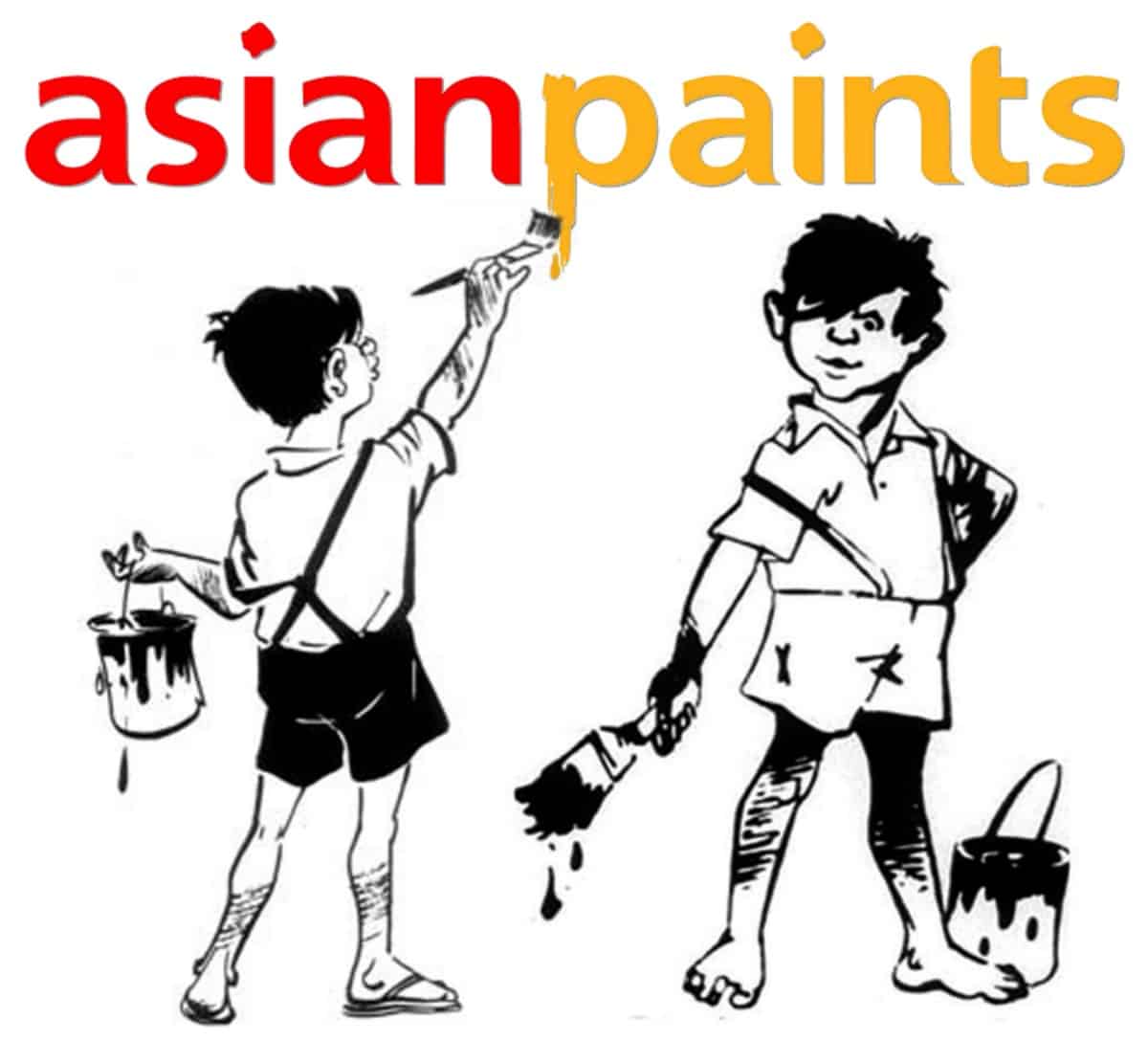
Also in rural areas due to illiteracy customers might come and ask for “Bachoo wala paint”. Asian Paints the company painstakingly built a brand around its boy Mascot Gattu) will not get the benefit as the shopkeeper could give the customer any other brand. The only thing needed is a small cartoon figure of a boy with a paintbrush!

Products that became Generic to the Category


No

Brand

Category

1

Dalda               -       

hydrogenated vegetable oil (India)

2

Maggie Point    -     

Small eatery (Dehradun)

3

English Wine Shop

Alcohol stores (Dehradun)

4

Vikram

Sharing Autos (Dehradun)

5

Magic

Bigger seven-seater Tata vans (Dehradun)

6

Bajaja

Any Three-seater auto in Ethiopia

7

Tiffin

Small snacks, can be breakfast too (India)

8

Mess

A place where quick meals are served (India)

9

Kirana shops

Small Business run by members of a single family (India)

10

Xerox

Photocopy (India)

11

Google

Internet Search

12

WhatsApp

Short messaging System

13

Colgate                    

Toothpaste (India)

14

Bisleri

Mineral water (India)

15

Volvo              

Deluxe Bus (in India)

16

Godrej            

Iron cupboards (India)

17

Jeep                

Multi-Terrain four-wheel drive vehicle

18

Aqua Guard     

Water Purifier (India)

19

LIC                   

Life insurance policies (India)

20

Stepney

Spare tire

21

Scooty

Gearless two-wheelers (India)

22

Sintex

water tank (India)

23

Zipper

Zip fasteners are a device used to bind two flexible materials together

24

Band-Aid

Medicated Bandage

25

Kleenex

Cleaning Tissue

26

Scotch Tape

Sealant for Packages

28

Jacuzzi

hot tubs, bathtubs, saunas, showers, and swim spas

28

Memory stick

electronic data storage devices that use flash memory to store digital information

29

Post-it

small piece of paper with a re-adherable strip of glue on its back, made for temporarily attaching notes to documents.

30

App

An abbreviation for application, a software program that bundles together features for a user access

31

Aspirin

A nonsteroidal anti-inflammatory drug (NSAID) used to reduce pain, fever, and/or inflammation

32

Bubble warp

The pliable transparent plastic material used for packing fragile items

33

Cellophane tape

Thin, transparent sheet made of regenerated cellulose made for sealing

34

Duct tape

Cloth- or scrim-backed pressure-sensitive tape, often coated with polyethylene

35

Fibre Glass

Fiber-reinforced plastic using glass fiber

36

Frisbee

Flying Disk

37

JCB

Earth Moving Vehicle

38

Kerosene

Combustible hydrocarbon liquid which is derived from petroleum

39

Tupperware

Tupperware is an American company that manufactures and internationally distributes preparation, storage, and serving containers for the kitchen and home

40

Walkman

Portable audio player


Keywords: Brand success, Iconic status. Product category, Genericization, Generic Products, Brand names, Brand association, Trademark infringement, Cultural influences, Consumer behavior, Market evolution, Kirana stores, Xerox, Dalda, Maggi Point